Our Priorities
VinylPlus works to support a competitive, circular and future-proof European PVC value chain. Our policy priorities are guided by a simple principle: Europe needs materials and industries that can deliver on sustainability, resilience and affordability — while remaining viable in a challenging global market.
Through our 2030 Commitment, VinylPlus brings together the European PVC value chain, from raw material production to conversion, use, collection and recycling. Our work combines technical evidence, stakeholder collaboration and policy engagement to help create an enabling framework for circularity, innovation and sustainable growth
Our Policy Priorities
VinylPlus focuses on the policy conditions needed for a competitive, circular and future-proof European PVC value chain. To ensure they remain topical, priorities are set and revised annually.
Competitiveness and Strategic Autonomy
PVC, or vinyl, is deeply embedded in European manufacturing, construction, infrastructure, healthcare, automotive and other essential sectors. It is also closely connected to Europe’s critical chemical industry, including the chlor-alkali sector. Maintaining a strong PVC value chain in Europe supports investment, innovation, skilled jobs and strategic autonomy.
Today, the sector is under pressure from high energy and carbon costs, regulatory uncertainty, global oversupply, trade distortions and low-priced imports.
VinylPlus advocates for a policy framework that enables fair competition, regulatory clarity and investment in a circular and resilient European PVC industry.
Our focus
- Strengthen European production.
- Support fair competition.
- Ensure affordable low-carbon energy.
- Reduce unnecessary regulatory burdens.
- Enable circular investment.
- Promote a level playing field.
Circular Economy and Waste
Circularity is central to the VinylPlus 2030 Commitment and to the future competitiveness of the European PVC value chain. The sector has developed established systems for collection, sorting, recycling, traceability and verified reporting across Europe.
To scale PVC recycling further, EU waste policy must support separate collection, efficient transport of waste for recycling, clear end-of-waste criteria, investment in recycling technologies and stronger demand for recycled PVC produced in Europe.
VinylPlus advocates for a coherent policy framework that keeps recyclable PVC waste in the circular economy and helps Europe retain material value, jobs and recycling capacity.
Our focus
- Improve classification and collection.
- Simplify transport for recycling.
- Establish clear end-of-waste criteria.
- Align EPR with circularity.
- Create market pull for recycled PVC.
- Protect fair competition.
Affordable Housing
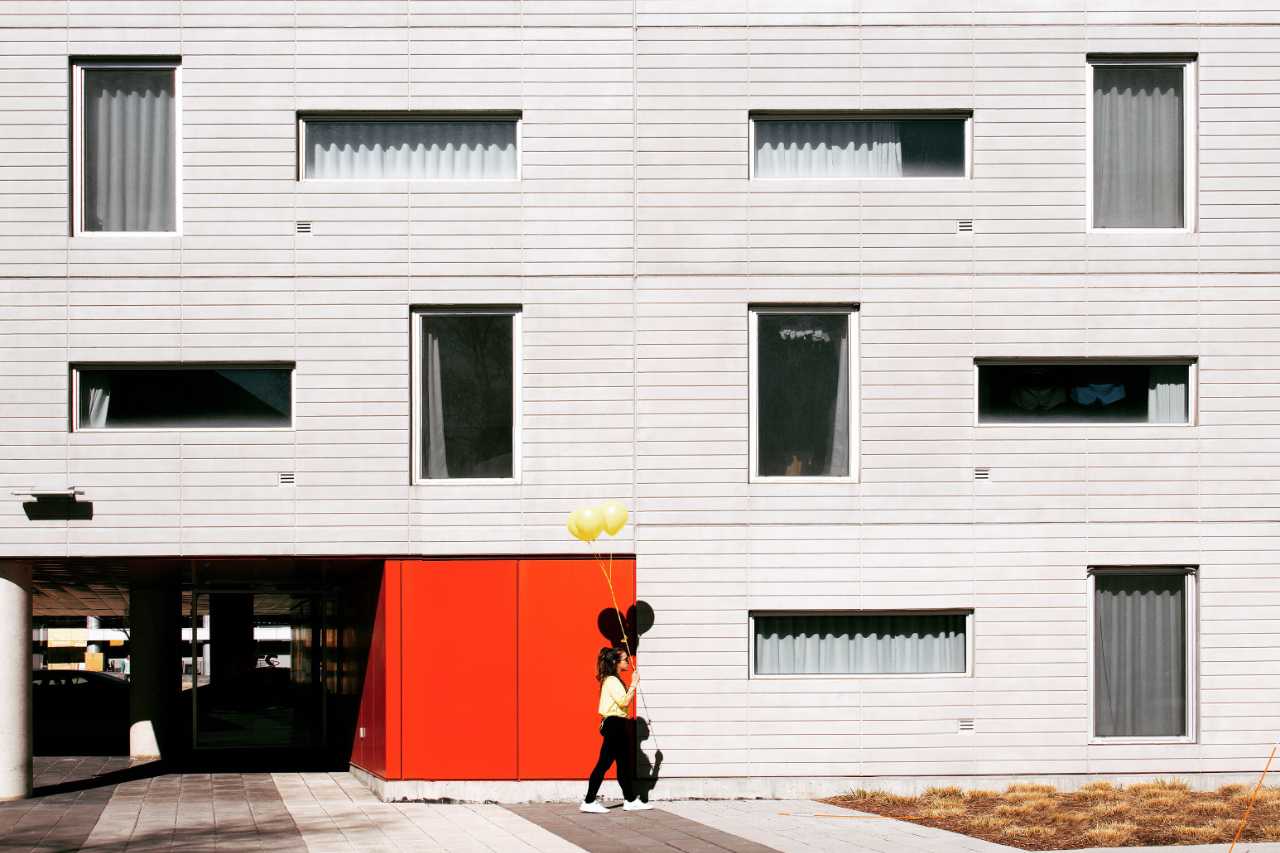
PVC products make an important contribution to affordable, durable and energy-efficient housing in Europe. Around 70% of PVC products are used in building and construction, including window profiles, pipes, flooring, cables, roofing membranes and other building products.
As Europe addresses housing shortages, renovation needs and climate adaptation, material choices should be based on performance, lifecycle impact, affordability, durability and circularity.
VinylPlus supports construction policies that recognise the role of circular and high-performance materials in delivering affordable, sustainable and long-lasting buildings.
Our focus
- Support affordable and energy-efficient renovation.
- Promote durable, low-maintenance building products.
- Remove outdated or discriminatory barriers to PVC.
- Strengthen circular construction and demolition waste management.
- Support science-based public procurement and ecolabel criteria.
- Enable recognition of certified circular PVC products.
- Facilitate access to European and national funding.
How Policy Supports the Commitment
VinylPlus’ policy priorities are closely connected to the VinylPlus 2030 Commitment. Delivering circularity, reducing environmental impacts, strengthening transparency and supporting innovation all depend on an enabling policy framework.
Coherent EU rules on waste, product design, chemicals, public procurement, sustainability reporting, and the creation of markets can help the European PVC value chain invest, recycle and contribute to Europe’s wider social, economic and environmental objectives.
Discover More
Explore Our Policy Work
VinylPlus monitors and contributes to EU policy files that affect the European PVC value chain, including competitiveness, industrial acceleration, circular economy and waste, chemicals regulation, building and construction, public procurement and ecolabels, and sustainability reporting.
For more detail, explore:
- EU Policy Landscape – An overview of the main EU policy files affecting PVC and the European PVC value chain.
- Position Papers and Consultations – VinylPlus’ policy input, recommendations and responses to public consultations.