EU Policy Landscape
European policy has a direct impact on the PVC value chain — from the production of the polymer, the additives and compounds, to the product design, conversion, procurement, transport, use, collection, recycling and other end-of-life treatments.
VinylPlus monitors and contributes to EU policy developments to ensure that regulation supports a competitive, circular and sustainable European PVC value chain. Our work is based on technical evidence, value-chain expertise and the VinylPlus 2030 Commitment.
A coherent policy framework is essential. Rules on chemicals, products, waste, health, climate, procurement, and trade should work together to enable responsible production, recycling, investment and innovation in Europe.
Key Policy Files
Competitiveness and Industrial Policy
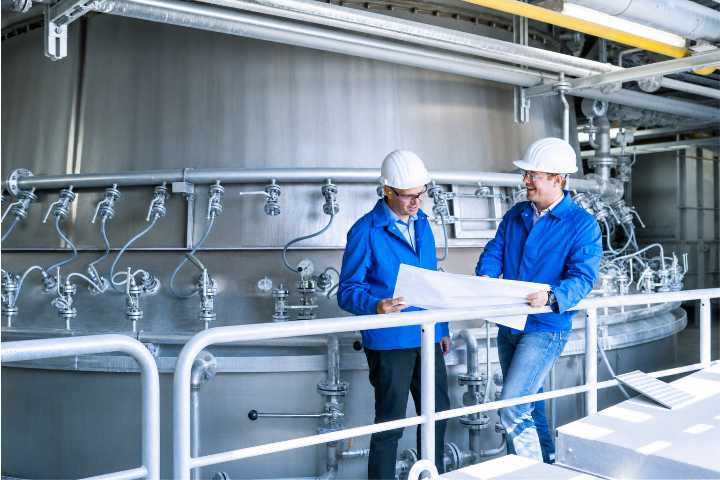
A competitive European PVC value chain is essential for Europe’s industrial resilience, circular economy and long-term sustainability ambitions. PVC supports essential sectors such as construction, infrastructure, healthcare, energy distribution, transport and manufacturing, while maintaining European production, conversion and recycling capacity helps strengthen resilient supply chains.
Today, this value chain is under pressure from high energy and carbon costs, regulatory uncertainty, global oversupply, trade distortions and low-priced imports. VinylPlus advocates for a policy framework that enables fair competition, regulatory clarity and investment in a circular and resilient European PVC industry.
Relevant policy areas
- Clean Industrial Deal
- Industrial Accelerator Act
- Union Customs Code (Rules of origin)
- Public Procurement
- Critical chemicals
- Energy and carbon costs
- Trade defence
- State aid and investment support
VinylPlus focus
- Strengthen European production, conversion and recycling capacity.
- Support fair competition and address trade distortions and low-priced imports.
- Ensure access to reliable and competitively priced low-carbon energy.
- Reduce unnecessary regulatory burdens through coherent, science-based and risk-informed regulation.
- Enable investment in recycling, traceability, certification, lower-carbon production and advanced technologies.
- Promote a level playing field for products made in and imported into Europe.

Construction, Affordable Housing and Renovation
PVC products play an important role in European construction and renovation. Around 70% of PVC products are used in building and construction, including window profiles, pipes, flooring, cables, roofing membranes and other building products.
As Europe addresses housing shortages, renovation needs and climate adaptation, material choices should be based on performance, lifecycle impact, affordability, durability and circularity.
Relevant policy areas
- European Affordable Housing Plan
- Construction Products Regulation
- Energy Performance of Buildings Directive
- New European Bauhaus
- Public procurement in construction
- Construction and demolition waste policy
- Digital Product Passport
- EU Strategy for Housing Construction
VinylPlus focus
- Support affordable, durable and energy-efficient housing.
- Promote lifecycle-based assessment of construction products.
- Recognise circular and certified PVC products in procurement.
- Improve collection and recycling of construction and demolition waste.
- Avoid outdated or discriminatory restrictions on PVC.
- Support faster renovation and modular construction through high-performance materials.
- Facilitating access to European and national funding.
Circular Economy and Waste
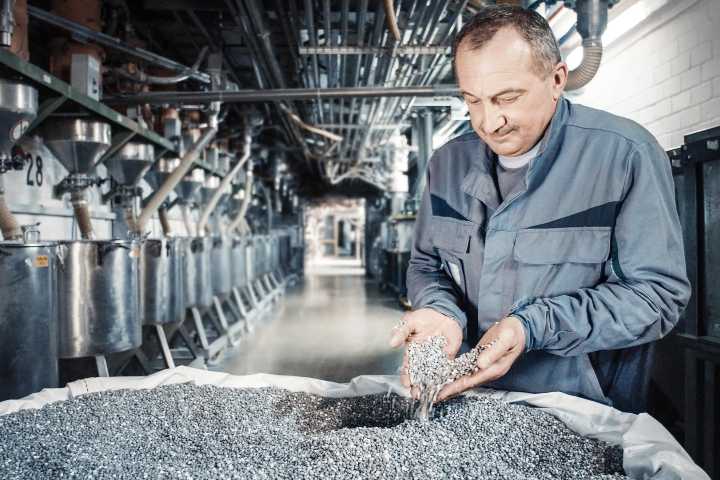
Circularity is central to the VinylPlus 2030 Commitment. The European PVC value chain has developed established systems for collection, sorting, recycling, traceability and verified reporting.
To scale PVC recycling further, EU waste policy must support separate collection, efficient transport of waste for recycling, clear end-of-waste criteria, investment in recycling technologies and market demand for recycled PVC produced in Europe.
Relevant policy areas
- Circular Economy Act
- Waste Framework Directive
- Waste Shipment Regulation and green-listing of waste
- End-of-waste criteria
- Extended Producer Responsibility (EPR)
- Landfill and incineration policy
VinylPlus focus
- Improve classification and collection.
- Simplify transport for recycling.
- Establish clear end-of-waste criteria.
- Align EPR with circularity.
- Create market pull for recycled PVC.
- Protect fair competition.
Chemicals Regulation and Safe Materials
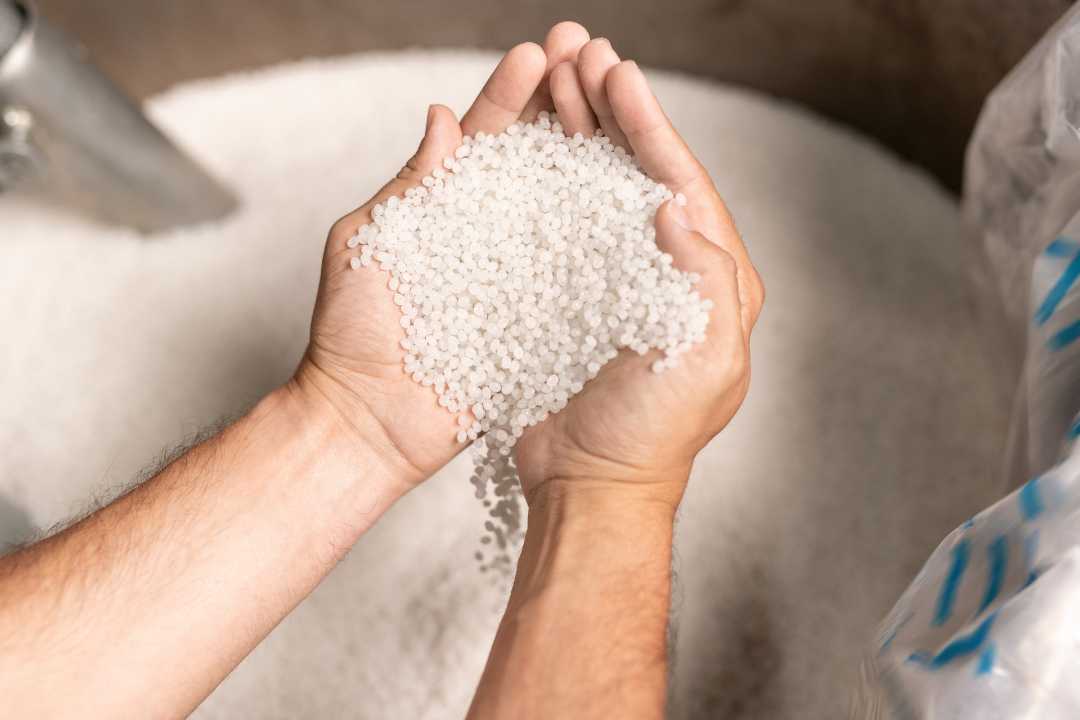
VinylPlus supports a robust, science-based European chemicals framework that protects people and the environment while enabling circularity, innovation and the continued use of PVC in societally important applications.
Additives give PVC products the performance required for specific uses, including durability, flexibility, stability, colour and fire performance. Chemicals, product and waste rules should therefore work together so that substances are assessed in their real product context, legacy substances are managed responsibly, and recycling is not unintentionally blocked.
Relevant policy areas
- REACH restrictions, including lead in PVC and the Restriction Roadmap
- Occupational exposure limits (OEL)
- Microplastics releases and exposure research
- Substances of concern in packaging and products
- Product legislation, recycled content and traceability
VinylPlus focus
- Support risk-informed regulation.
- Avoid unjustified blanket restrictions.
- Manage legacy additives responsibly.
- Align regulation to enable safe recycling.
- Support sustainable additives.
- Strengthen evidence and transparency.

Product Policy, Ecodesign and Digital Product Passports
Product policy is increasingly central to circularity. Requirements on durability, reparability, recyclability, recycled content, substances and environmental performance can help improve products — if they are coherent, practical and science-based.
Digital Product Passports can support traceability by connecting product design, material composition, recycled content, substances, environmental data and end-of-life information.
Relevant policy areas
- Ecodesign for Sustainable Products Regulation
- Construction Products Regulation
- Digital Product Passports
- Product environmental footprint methods
- Recyclability and recycled-content requirements
- Standardisation
VinylPlus focus
- Support product-specific requirements on recyclability and recycled content.
- Ensure Digital Product Passports are workable for complex value chains.
- Promote harmonised LCA and product carbon footprint methods.
- Recognise robust industry methodologies and certification schemes.
- Ensure product rules reward actual performance and circularity.

Public Procurement, Ecolabels and Certification
Public procurement and ecolabels can shape markets. They should reward products that demonstrate strong sustainability performance, circularity and lifecycle value — not exclude materials based on outdated assumptions.
VinylPlus supports science-based criteria and recognition of credible certification schemes, including the VinylPlus® Product Label and VinylPlus® Supplier Certificates.
Relevant policy areas
- EU Taxonomy
- Public Procurement Directives
- Green Public Procurement
- EU Ecolabel
- National ecolabels
- Sustainability certification schemes
- BREEAM, DGNB and other building frameworks
VinylPlus focus
- Ensure procurement criteria are science-based and non-discriminatory.
- Support recognition of certified PVC products.
- Promote lifecycle performance, durability and circularity.
- Avoid unjustified anti-PVC criteria in ecolabels.
- Integrate certification and sustainability data into Digital Product Passports.
- Support mutual recognition of credible certification schemes across Member States.

Climate and Environmental Reporting
The transition to a lower-carbon PVC value chain depends on reliable data, realistic pathways and access to affordable low-carbon energy. Carbon and environmental footprint methods should be harmonised, comparable and applicable to both EU-made and imported products.
PVC products are often used in long-life applications where durability, low maintenance and recyclability contribute to resource efficiency.
Relevant policy areas
- EU Taxonomy
- Product Environmental Footprint framework
- Corporate Sustainability Reporting Directive
- Environmental Product Declarations
- Renewable and low-carbon energy policy
VinylPlus focus
- Develop product-specific carbon footprint data.
- Support harmonised LCA and product carbon footprint methodologies.
- Recognise carbon handprint approaches where products reduce emissions in use.
- Ensure access to competitively priced low-carbon energy.
- Apply equivalent environmental requirements to imports.
- Promote transparent environmental data across the value chain.
Water Resilience
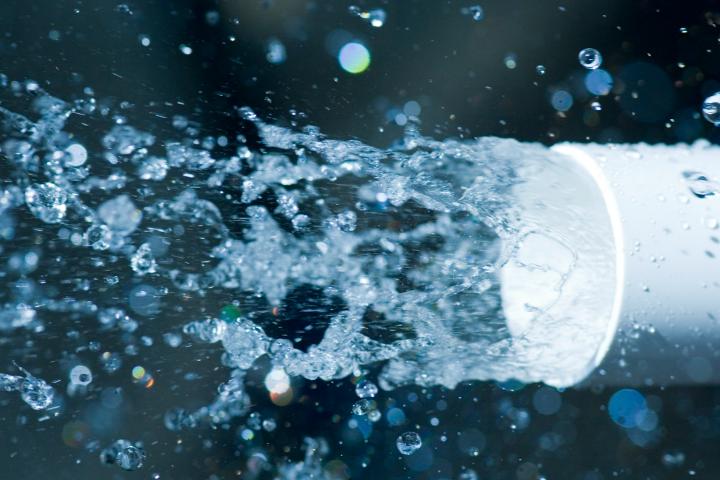
Water resilience is part of Europe’s climate adaptation agenda. PVC products such as pipes, fittings and membranes contribute to reliable drinking water supply, wastewater management, stormwater systems, irrigation, water storage and long-lasting infrastructure.
Water resilience is an important example of how PVC applications support essential European infrastructure and climate adaptation.
Relevant policy areas
- Water Resilience Strategy
- Water Framework Directive
- Drinking Water Directive
VinylPlus focus
- Recognise the role of durable PVC pipes and other applications in resilient infrastructure.
- Promote lifecycle-based assessment of infrastructure materials.
- Support investment in drinking water, wastewater and stormwater systems.
- Encourage collection and recycling of pipe waste.
- Ensure procurement criteria are based on performance and durability.

International Plastics Policy
PVC is part of global discussions on plastics, circularity and sustainable materials. VinylPlus supports international policy approaches that are evidence-based, application-sensitive and aligned with circular economy principles.
Europe has developed strong experience in safe PVC production, additive substitution, mechanical recycling, advanced recycling and controlled waste management. These approaches can inform global discussions.
Relevant policy areas
- UN Plastics Pollution Treaty
- International circular economy policy
- Sustainable production and consumption
- Waste management and recycling standards
VinylPlus focus
- Promote evidence-based global plastics policy.
- Share Europe’s experience with responsible PVC production and recycling.
- Support circularity and safe material management.
- Avoid blanket material bans that ignore application performance and lifecycle impacts.
- Strengthen cooperation with regional and global value-chain bodies
Evidence-Based Policy Engagement
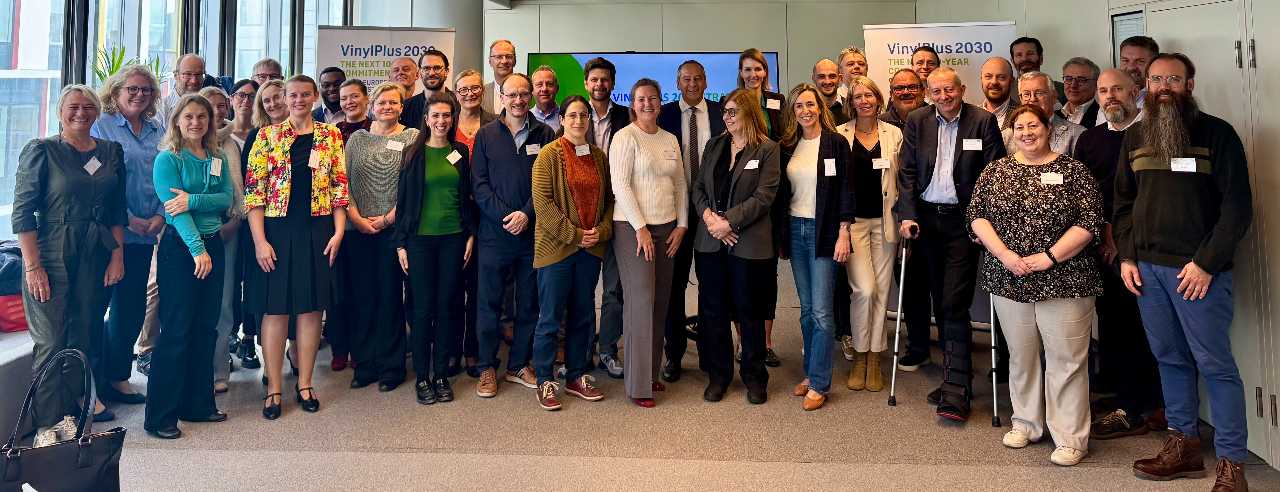
VinylPlus works with policymakers, industry partners, civil society, academia and other stakeholders to support informed decision-making.
Our aim is to help create a policy framework that enables the European PVC value chain to remain competitive, invest in circular solutions and contribute to a resilient, affordable and sustainable Europe.