Affordable Housing
PVC products make an important contribution to affordable, durable and energy-efficient housing in Europe.
Across Europe, housing shortages, renovation needs, climate adaptation and cost pressures are increasing the need for building solutions that combine performance, affordability and long service life. Material choices should therefore be assessed on the basis of lifecycle performance, durability, maintenance needs, circularity and cost-efficiency.
PVC, or vinyl, is widely used in construction applications such as window profiles, pipes, flooring, cables, roofing membranes, wall coverings and other building products. These applications help deliver buildings that are reliable, energy-efficient, easier to maintain and designed for long-term use.
VinylPlus supports construction and renovation policies that recognise the role of circular, high-performance and cost-efficient materials in delivering affordable and sustainable housing.
Why PVC Matters for Affordable Housing
Durable Building Products
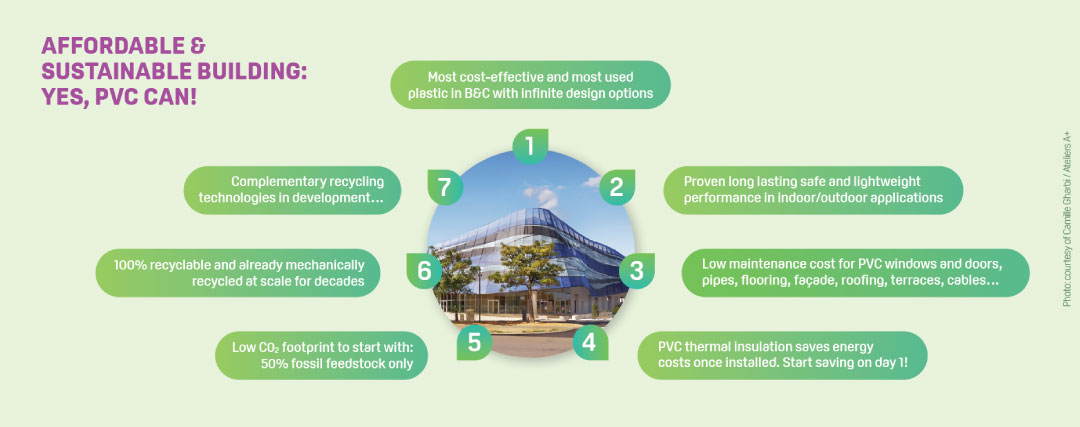
PVC products are used in applications where long service life and reliability are essential. Window profiles, pipes, cables, flooring and roofing membranes are expected to perform for decades, often with limited maintenance.
Durability supports affordability because products that last longer and require less maintenance can reduce lifecycle costs for building owners, residents and public authorities.
Energy-Efficient Buildings
PVC windows, profiles, pipes, cables and other applications contribute to energy-efficient buildings and infrastructure. In renovation, high-performance building products can help improve comfort, reduce heat loss and support Europe’s energy and climate objectives.
Energy-efficient housing is also an affordability issue. Lower energy demand can help reduce running costs for households over time.
Cost-Efficient Renovation
Europe needs renovation solutions that are practical, scalable and affordable. PVC products are widely available, technically proven and suitable for both new construction and renovation.
Their combination of performance, processability, low maintenance and recyclability makes them relevant in policies aimed at accelerating renovation and improving the quality of Europe’s building stock.
Circular Construction
PVC construction products are often long-life products and many can be collected and recycled at end of life. The European PVC value chain has developed collection, sorting and recycling systems for several construction applications.
To support circular construction, policy should strengthen separate collection, improve construction and demolition waste management, and recognise certified recycled PVC products.
VinylPlus Policy Priorities
To unlock these benefits at scale, VinylPlus supports policy frameworks that recognise durable, recyclable and cost-efficient PVC building products as part of Europe’s affordable and circular housing agenda.
01. Support Affordable and Energy-Efficient Renovation
Enable renovation policies that consider lifecycle costs, durability, energy performance and material availability.
02. Promote Durable, Low-Maintenance Building Products
Recognise products that combine long service life, technical performance and reduced maintenance needs.
03. Remove Outdated or Discriminatory Barriers to PVC
Ensure that public procurement, ecolabels and building criteria are science-based, lifecycle-oriented and non-discriminatory.
04. Strengthen Circular Construction and Demolition Waste Management
Support better collection, sorting and recycling of PVC construction products at end of life.
05. Support Science-Based Public Procurement and Ecolabel Criteria
Reward documented performance, circularity and verified sustainability data rather than excluding materials based on outdated assumptions.
06. Enable Recognition of Certified Circular PVC Products
Support the use of credible certification schemes, including the VinylPlus® Product Label and VinylPlus® Supplier Certificates.
Relevant EU Policy Areas
The contribution of PVC products to affordable housing is connected to several EU policy areas:
- European Affordable Housing Plan
- Construction Products Regulation
- Energy Performance of Buildings Directive
- New European Bauhaus
- Public procurement in construction
- Construction and demolition waste policy
- Digital Product Passport
- EU Strategy for Housing Construction
PVC Applications in Housing and Construction

Windows and Doors
Durable, low-maintenance and energy-efficient solutions for renovation and new construction.
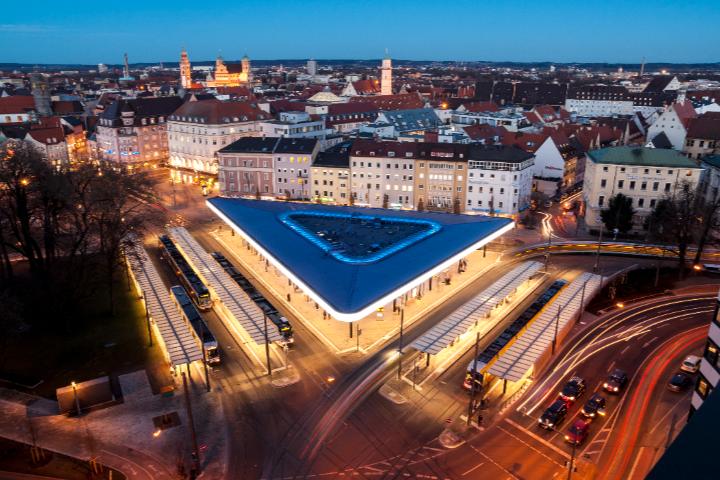
Roofing Membranes and Films
Weather-resistant, lightweight and durable solutions for building protection and renovation.
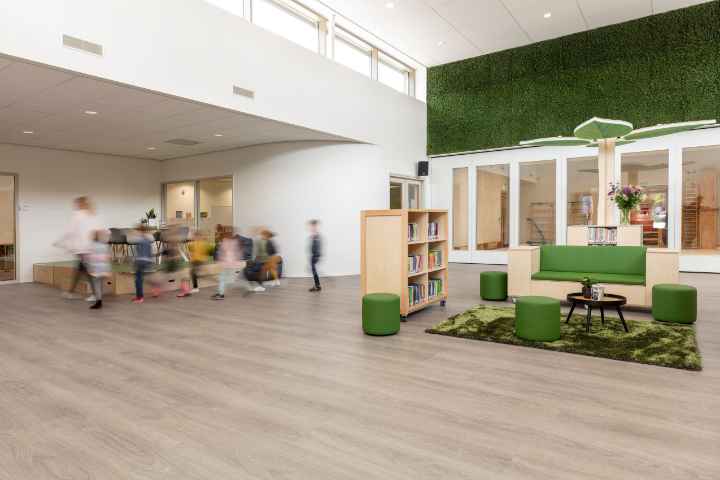
Flooring, Ceilings and Wall Coverings
Robust, hygienic and easy-to-maintain surfaces for homes, schools, healthcare and public buildings.
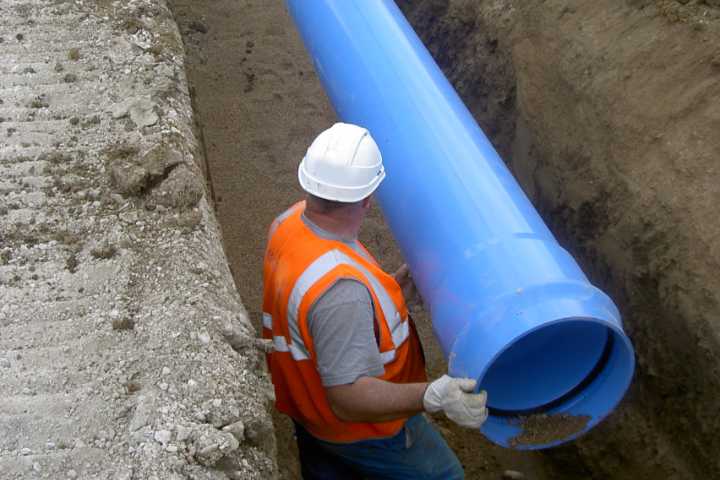
Pipes, Fittings and Raingutters
Long-life infrastructure products for drinking water, wastewater, drainage and building services.
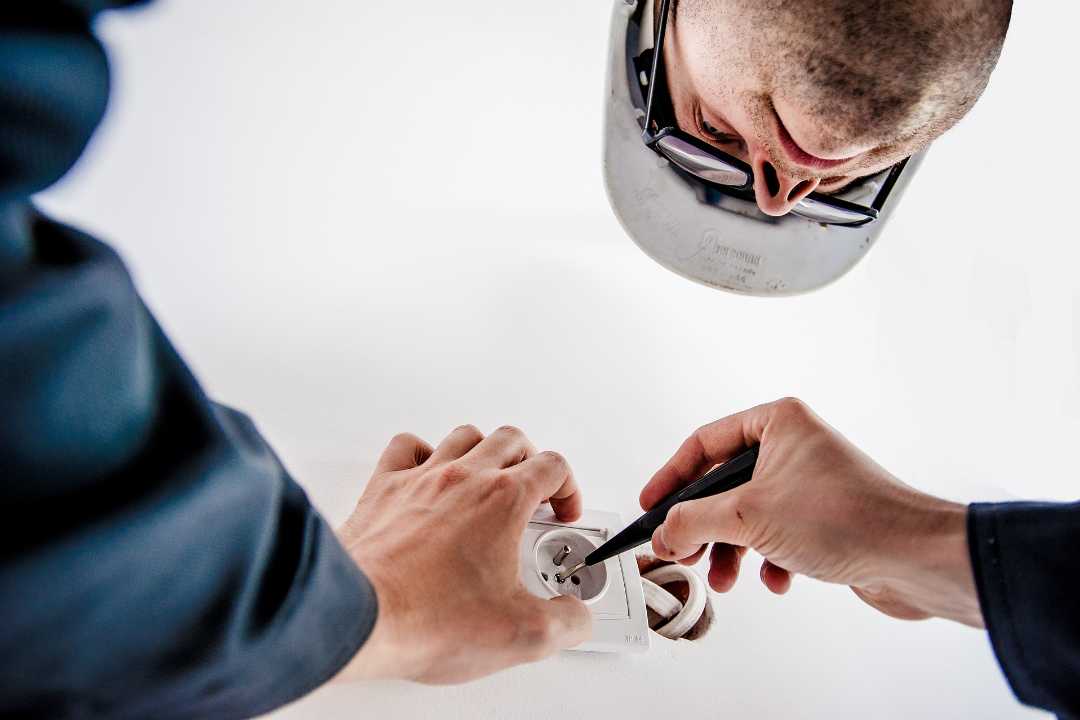
Cables
Flexible, durable and recyclable cable solutions for buildings, telecommunications and energy infrastructure.
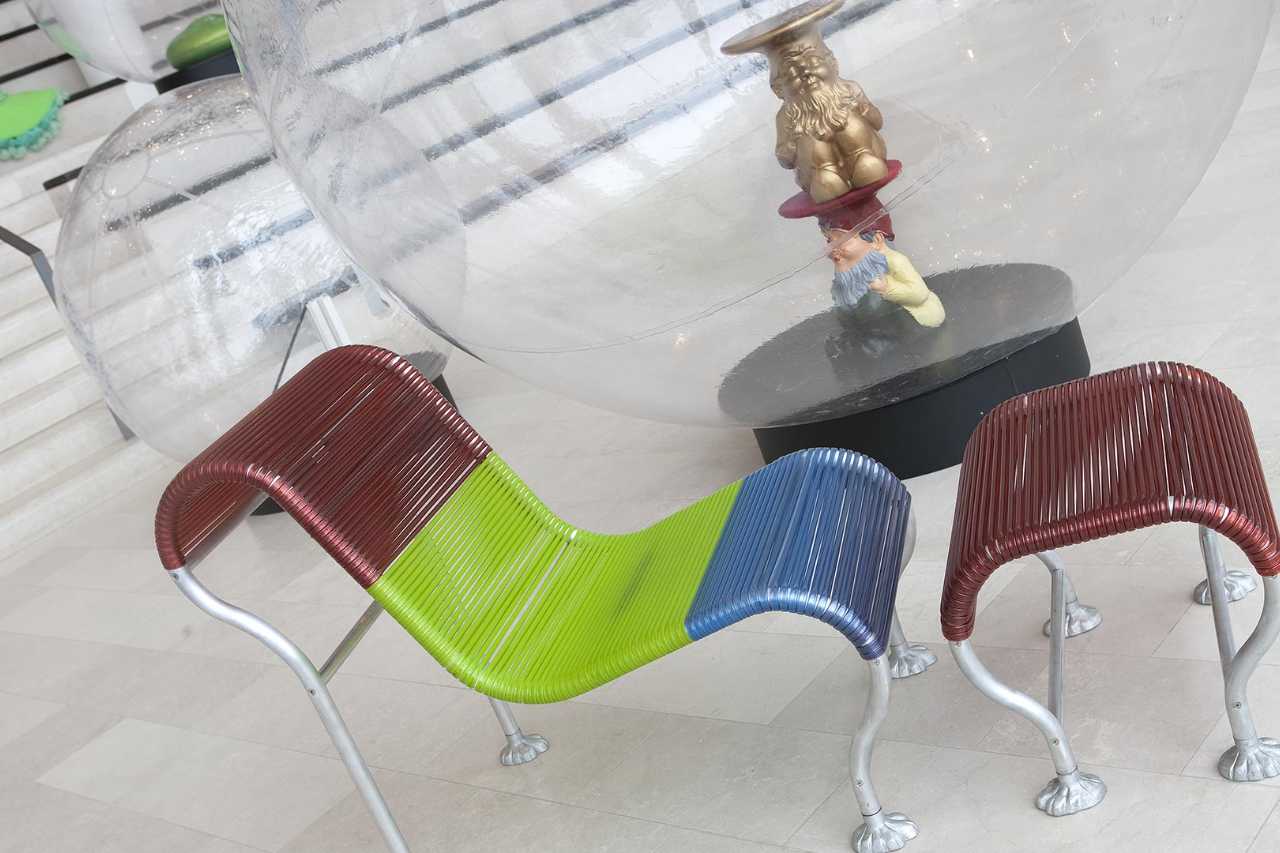
Furniture, Decoration and Everyday Living
PVC helps bring colour, design, music and personal expression into homes and shared environments.
Connected to the VinylPlus 2030 Commitment
Competitiveness is not separate from sustainability. Delivering circularity, carbon reduction, transparency and innovation depends on a strong European PVC value chain that can continue to invest.
Through the VinylPlus 2030 Commitment, the European PVC value chain works to advance circularity, improve environmental performance, strengthen transparency and support responsible production and use.
A competitive European industry is essential to maintain this progress in Europe — from production and conversion to collection, recycling and verified use of recycled PVC.
Explore Related Policy and Action Areas
Competitiveness is closely linked to circularity, chemicals regulation, climate policy, construction, procurement and verified sustainability performance. Explore how VinylPlus connects policy engagement with practical action across the PVC value chain.
Competitiveness
See why a strong European PVC value chain is essential for industrial resilience, circularity, investment and strategic autonomy.
EU Policy Landscape
Explore the main EU policy files affecting the European PVC value chain.
Circular Economy and Waste
Explore the main EU policy files affecting the European PVC value chain.
Chemicals Regulation and Safe Materials
Learn why science-based, risk-informed regulation is essential for safe materials and circularity.
Certification and Traceability
Explore how verified schemes support transparency, responsible sourcing and circular PVC products.
Position Papers & Consultations
Read VinylPlus input on EU policy files affecting the PVC value chain.