Circularity
Polyvinyl chloride (PVC or vinyl) is used in both long-life applications, such as pipes, window profiles, cables, flooring and membranes, and shorter-use applications, such as packaging and medical devices. Across these areas, both rigid and flexible PVC can be recycled several times while retaining key technical properties, depending on the application and recycling process.
VinylPlus works with the European PVC value chain to keep valuable material in use for longer by supporting collection and recycling schemes, improving sorting and detection, promoting design for recycling, and enabling the safe use of recycled PVC in new products.
Why Circularity Matters for PVC
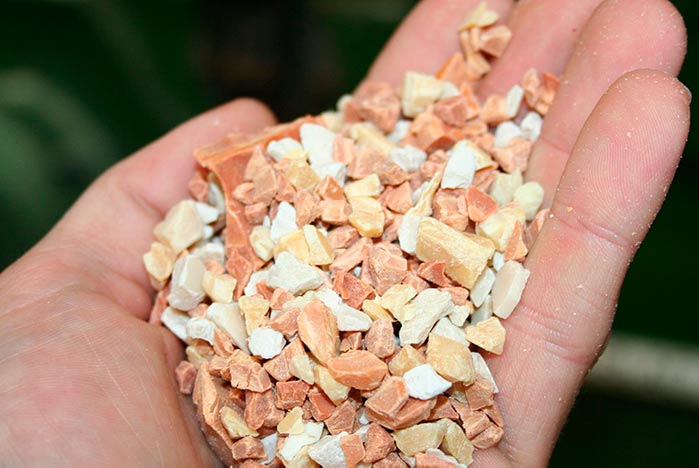
Circularity is central to the future of PVC in Europe. Many PVC products are designed for long service lives, and when they reach end of life, they can become valuable resources for new products. The challenge is to ensure that recyclable PVC waste is collected, sorted, treated and used safely in applications where recycled material can deliver long-term performance.
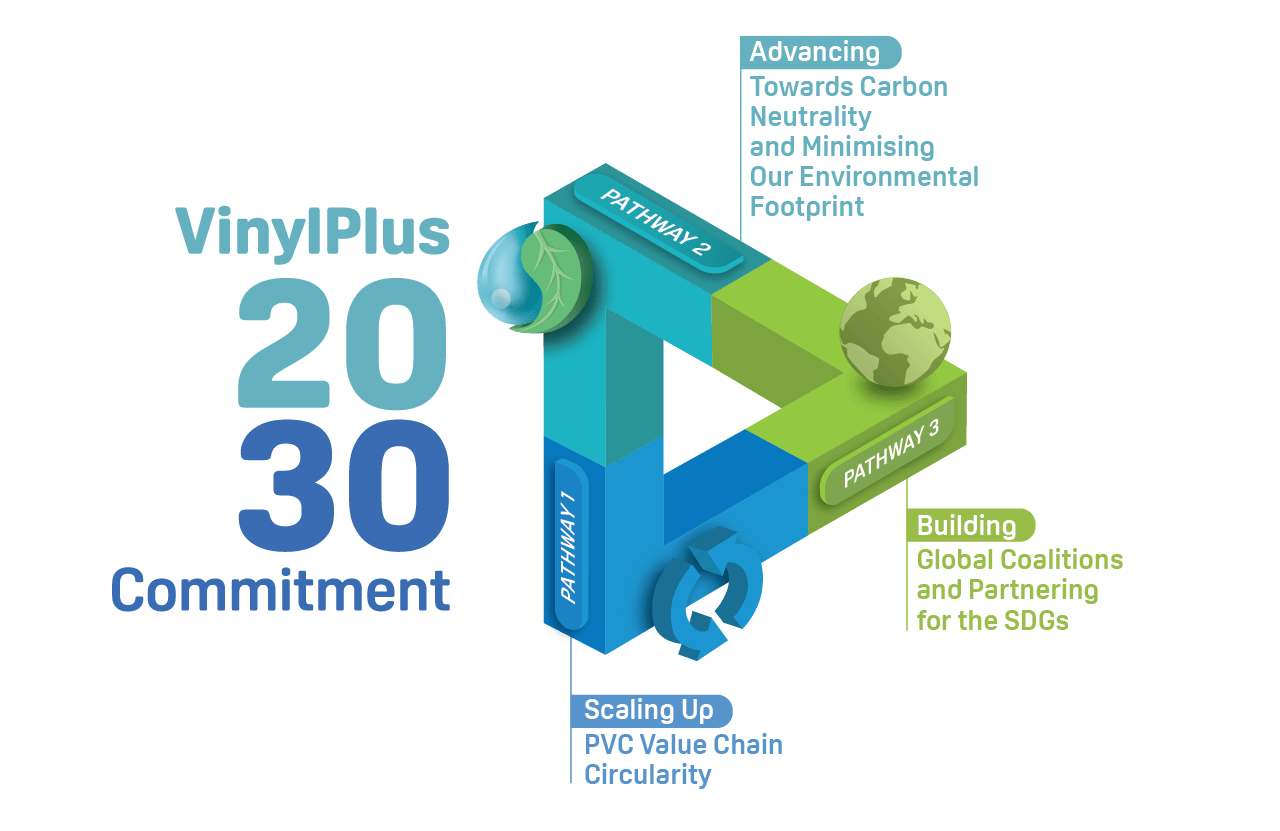
This is the focus of Pathway 1 of the VinylPlus 2030 Commitment, which aims to transform PVC waste into high-quality, safe and valued resources for recycled materials markets.
How VinylPlus Supports a Circular PVC Value Chain
Collecting More PVC Waste
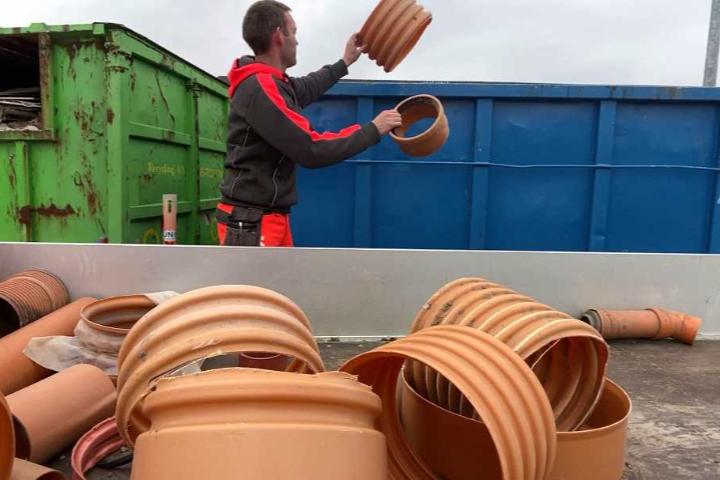
VinylPlus works with Recovinyl® to support PVC waste collection and recycling across Europe, helping divert recyclable material from landfill and incineration.
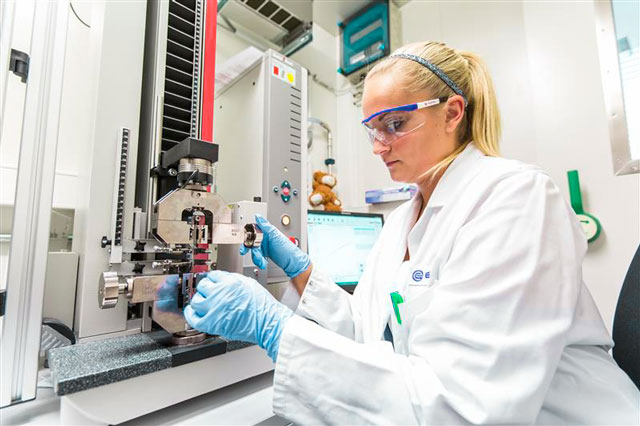
Exploring Advanced Recycling Technologies
Where waste streams are more complex, innovation in advanced recycling is helping to increase circularity.
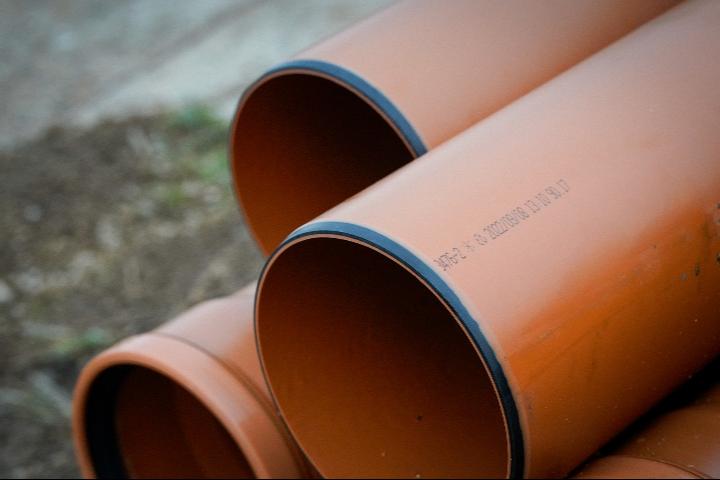
Using Recycled PVC in New Products
The circularity ambition is not only to recycle waste, but to ensure that recycled PVC is used in new durable products where it can deliver value.
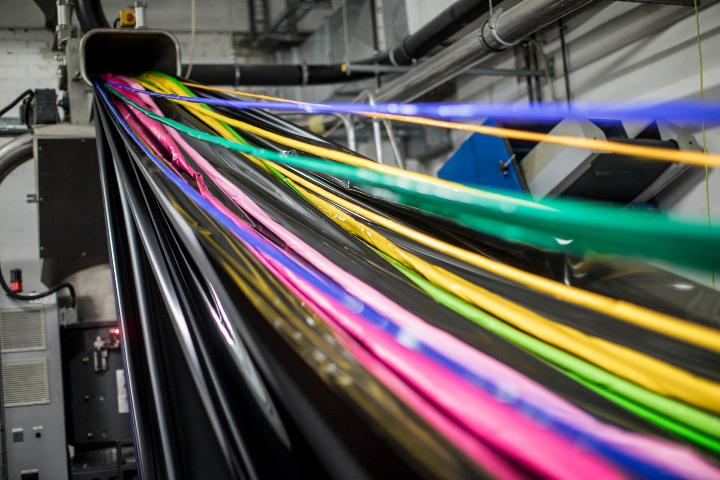
Designing Products for Circularity
Design for recycling helps ensure that PVC products placed on the market today can be more easily collected, sorted and recycled in the future.
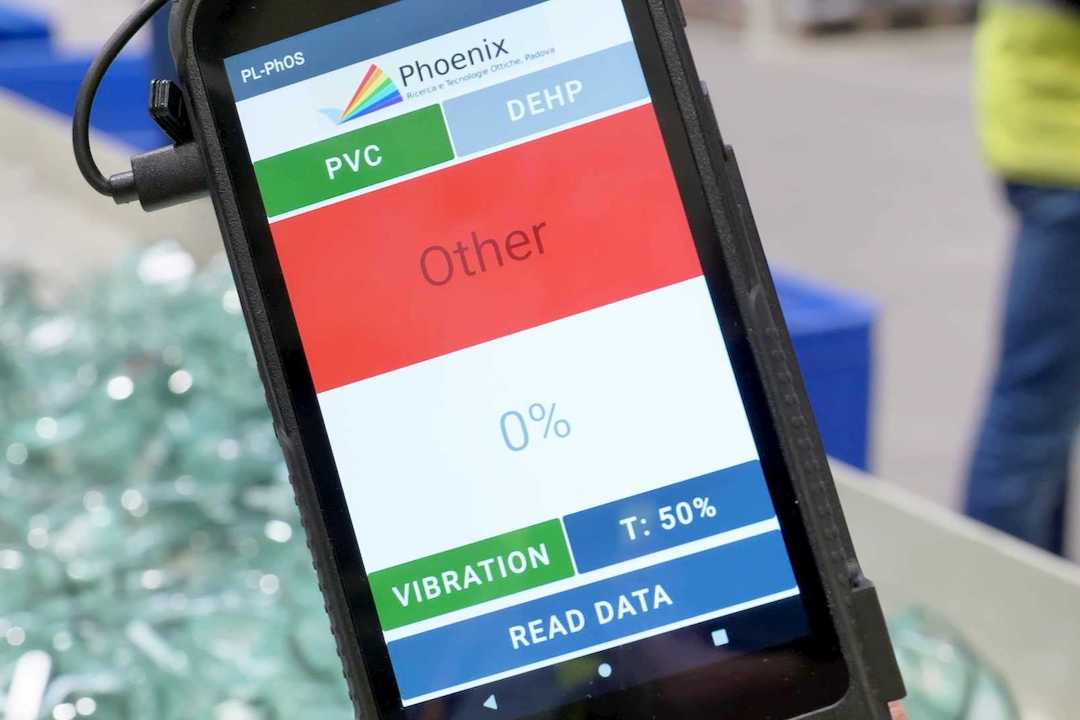
Improving Sorting and Detection
Better sorting and detection technologies are essential for identifying PVC waste streams and managing substances that may affect recycling.
PVC Recycling Achievements
PVC recycling within the VinylPlus framework continued to grow in 2025, despite difficult market conditions for the European plastics recycling sector.
In total, 765,972 tonnes of PVC waste were recycled in 2025, representing a 5.7% increase compared with 2024.
Since 2000, the European PVC value chain has recycled 10.3 million tonnes of PVC, saving an estimated 20.6 million tonnes of CO₂, and contributing to sustaining more than 1,500 direct jobs in recycling plants.
Select a chart to view it in full size:
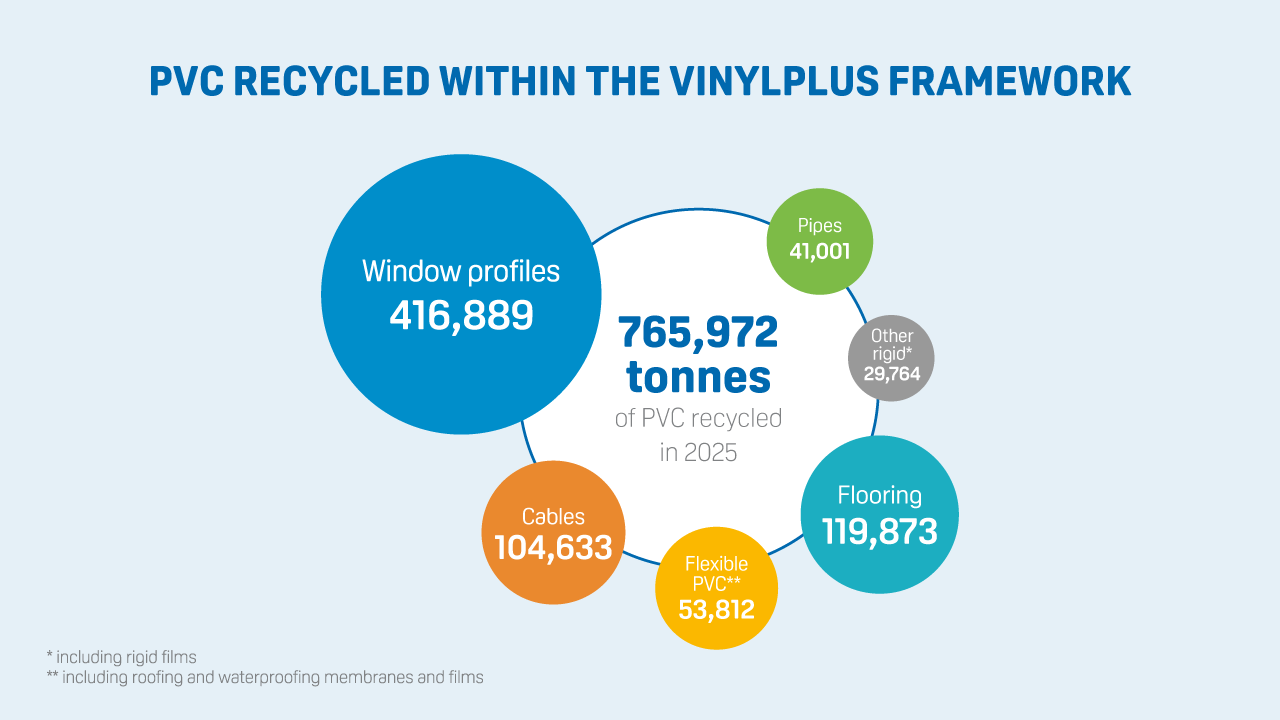

Use of Recycled PVC
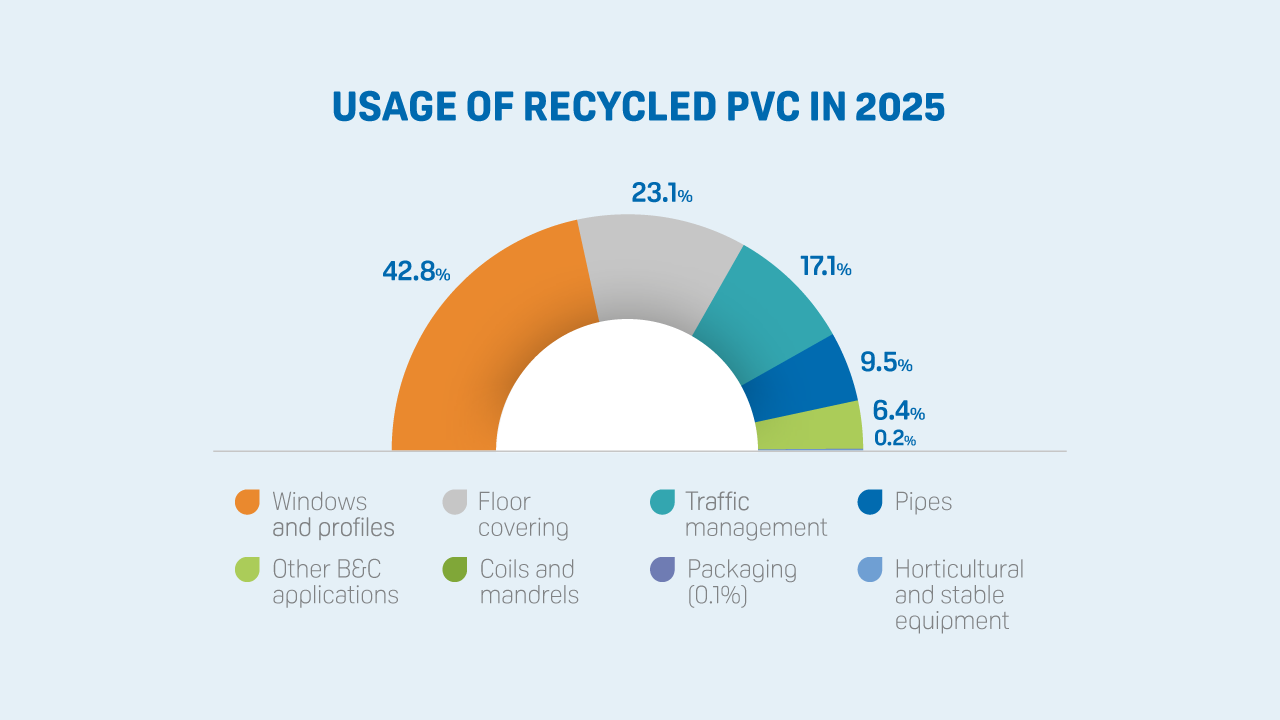
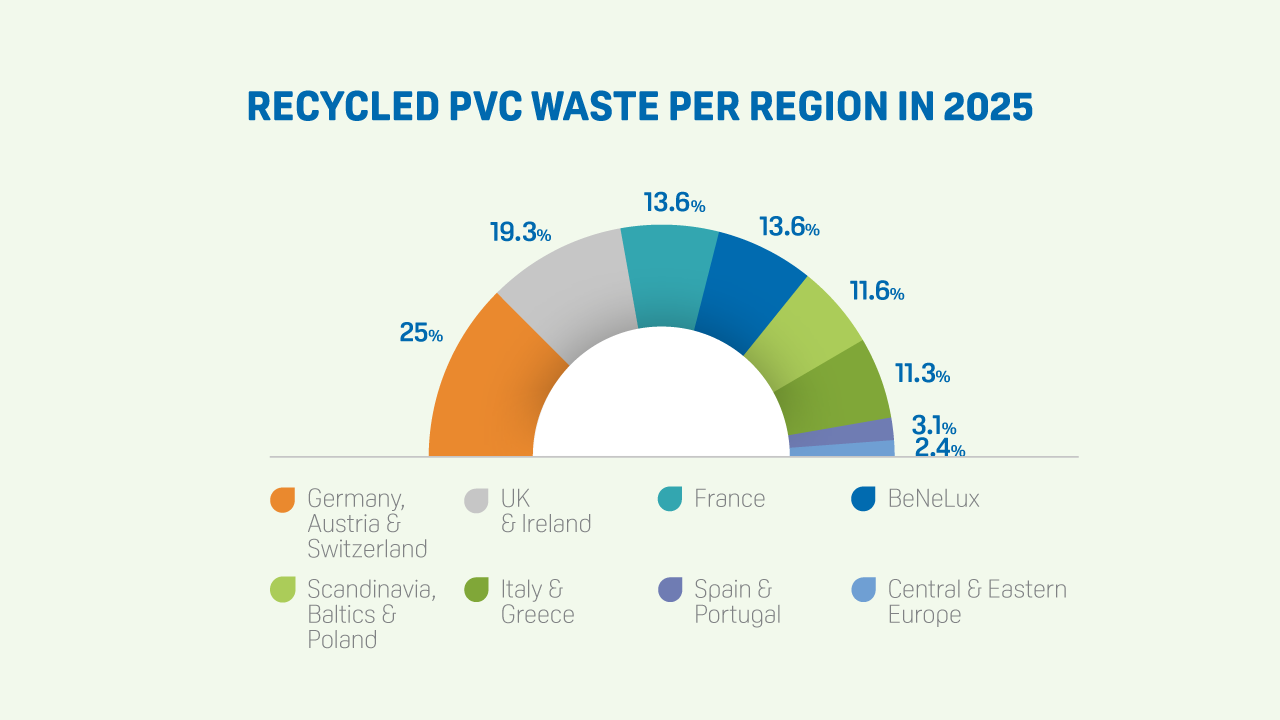
In 2025, converters registered 508,109 tonnes of recycled PVC uptake in RecoTrace™, a 3.6% increase compared with 2024. The figures registered in RecoTrace show how recycled PVC is used in new products across key applications.
Select a chart to view it in full size:
How the Figures Are Tracked
The figures are monitored through Recovinyl and RecoTrace. Recovinyl was set up in 2003 to facilitate PVC waste collection and recycling in the framework of the European PVC industry’s Commitments. It plays a key role in monitoring, verifying and reporting PVC recycling and the use of recycled PVC in Europe. RecoTrace records recycled PVC uptake by converters, helping document how recycled PVC is used in new products. The figures are reported annually in the VinylPlus Progress Report.

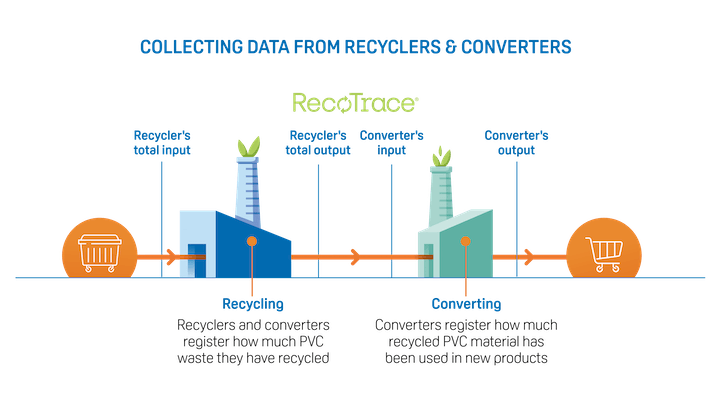
Note: RecoTrace uptake figures do not fully reflect the total use of recycled PVC in Europe, as Recovinyl does not yet cover a representative share of converters using recycled PVC. Actual use in Europe is therefore higher than shown in the registered figures.
Creating the Conditions for Circularity
Circularity does not depend on recycling technologies alone. To scale PVC recycling in Europe, recyclable waste must be collected separately, transported efficiently, sorted correctly and directed to the most appropriate recycling solution. This requires coherent regulation, functioning markets for recycled materials and investment conditions that allow European recycling value chains to grow.
VinylPlus supports a policy framework that connects product design, waste management, recycled content, traceability and fair competition.
01. Improve Collection and Sorting
Support separate collection close to the source, pre-demolition and renovation audits, and better identification of recyclable PVC waste streams.
02. Enable Efficient Recycling Markets
Simplify and harmonise the transport of waste destined for recycling, establish clear End-of-Waste criteria and reduce unnecessary administrative barriers.
03. Create Demand for Recycled PVC
Use recycled-content requirements, incentives and public procurement to reward products that use recycled materials and perform well over their full life cycle.
04. Ensure Traceability and Fair Competition
Use Digital Product Passports, market surveillance and coherent import requirements to support transparency, recycled-content verification and a level playing field for European circular materials.