Detection and Sorting Technologies
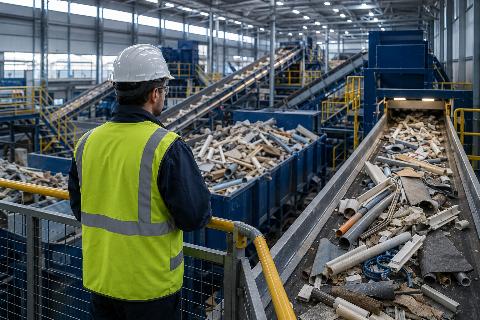
Sorting and detection technologies are essential to increase PVC recycling and ensure that recyclable waste is directed to the most appropriate recycling route.
Many PVC products have long service lives. This means that waste streams can include products made decades ago, sometimes containing legacy additives that are no longer used in new PVC products. Detecting and separating these materials can help improve recyclate quality, support regulatory compliance and enable safer use of recycled PVC in new products.
Better sorting also helps distinguish between different PVC applications and between PVC and other materials, making it easier to choose the right recycling route — mechanical recycling, physical recycling, advanced recycling or safe recovery.
Why Sorting Matters
Effective recycling starts before the recycling process itself. PVC waste must first be collected, identified, separated and prepared for treatment.
Sorting technologies can help:
- identify PVC in mixed waste streams
- separate different PVC applications
- detect substances that may affect recycling
- improve recyclate quality
- support REACH-compliant use of recycled PVC
- direct waste to the most suitable recycling technology
This is especially important for post-consumer PVC waste from construction, renovation, demolition, flooring, cables, healthcare and other long-life applications.
Developing Detection and Sorting Technologies
VinylPlus supports the development and validation of detection and sorting technologies that can help improve PVC recycling and support the safe use of recycled PVC in new products.
The work focuses on identifying PVC waste streams, detecting substances that may affect recycling, and directing materials to the most suitable treatment route. Depending on the waste stream and the substances to be identified, different technologies may be relevant, including X-ray fluorescence, near-infrared detection, fluorescence-based approaches and automated sensor-based sorting.
The aim is to build a stronger technical basis for controlled-loop recycling, improved recyclate quality and future compliance with regulatory requirements.
Technologies Being Explored
Different detection and sorting technologies may be relevant depending on the waste stream, the application and the substances to be identified. VinylPlus-supported activities explore complementary methods that can help recyclers and value-chain partners make better sorting decisions.
Near-Infrared Detection
Near-infrared detection, or NIR, can be used to identify PVC and distinguish between different polymer or formulation types. It can also support the exploration of selected organic substances in flexible PVC waste streams, depending on the application and technical set-up.
This can be relevant for flexible PVC applications, healthcare waste sorting, flooring, cables and other streams where material composition may affect recyclability.
X-Ray Fluorescence
X-ray fluorescence, or XRF, can be used to detect elements such as lead, tin and cadmium. This is particularly relevant for older PVC products that may contain legacy stabilisers or other additives requiring specific management before recycling.
XRF is a rapid and non-destructive method based on elemental composition. In PVC recycling, it can help identify materials that may need further sorting before they can be used safely in controlled-loop recycling.
Fluorescence-Based Approaches
Fluorescence-based detection is also being explored as a potential route for identifying selected substances in PVC waste streams. Such approaches may complement other methods where specific substances need to be detected with high selectivity.
Automated Sensor-Based Sorting
Sensor-based sorting systems can combine material handling, detection technology, spectral analysis, process control and automated separation. In practice, this can enable PVC waste streams to be sorted into different fractions according to material type or additive content.
These systems can help move from laboratory-scale detection towards more practical sorting solutions for recycling operations.
Tested on Real Applications

Medical Devices
In VinylPlus Healthcare recycling activities, a handheld NIR scanner has been used to identify PVC medical devices and distinguish between materials with and without DEHP. This supports the sorting of non-infectious PVC waste streams, such as tubing and masks, so that suitable material can be made available for mechanical recycling.
Cables
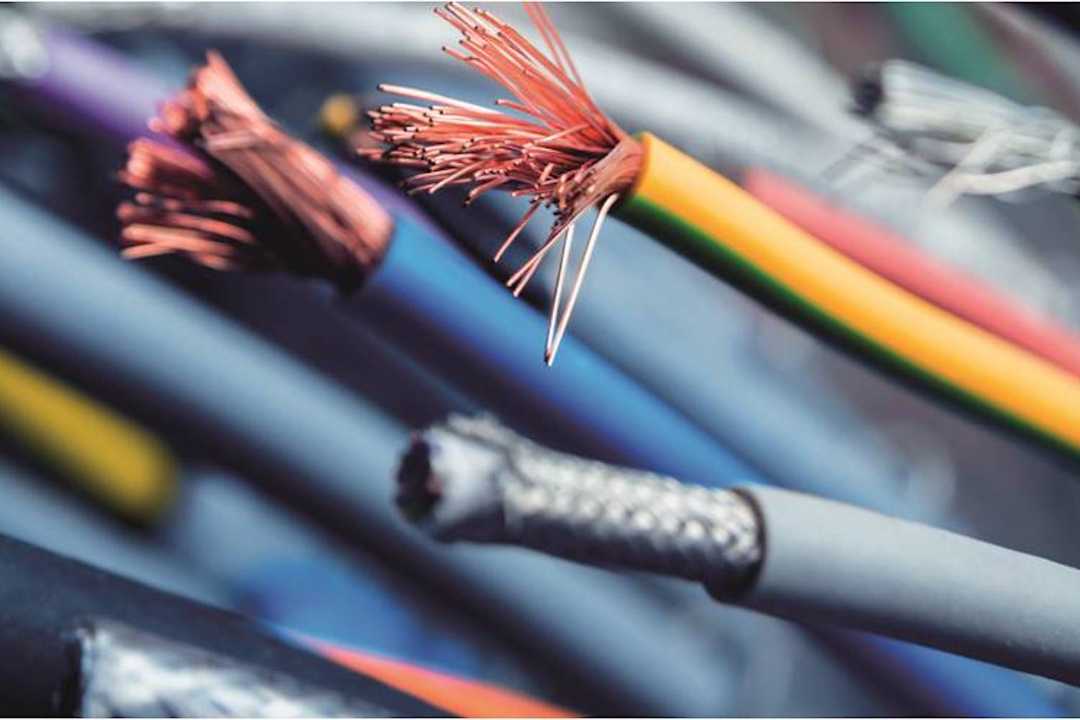
For cable-related PVC waste streams, XRF and NIR-based methods are being explored to detect substances that may affect recycling. XRF can support the detection of elements such as lead, cadmium and tin, while NIR-based testing can help assess selected organic substances in flexible PVC.
This supports practical decisions on whether cable waste can be directed to mechanical recycling, requires further sorting or treatment, or should be managed through another suitable recycling route.
Managing Legacy Additives
Legacy additives are substances that are no longer used in new PVC products but may still be present in older products entering the waste stream.
This is a normal consequence of PVC’s long service life. Products such as pipes, cables, flooring and window profiles may remain in use for decades before becoming waste. When they are eventually collected for recycling, sorting and detection can help identify materials containing legacy additives and manage them appropriately.
The aim is not only to increase recycling volumes, but to ensure that recycled PVC can be used safely and effectively in new applications.
Connected to VinylPlus 2030
Detection and sorting technologies are part of the revised VinylPlus 2030 Commitment under Pathway 1: Scaling Up PVC Value Chain Circularity.
The revised Commitment gives greater emphasis to the overall performance of the circularity system, including waste availability, collection efficiency, waste quality and traceability. It also prioritises support for technologies that can detect and sort specific substances in PVC waste streams, helping remove barriers to recycling and enabling more material to be managed in controlled loops.
This makes detection and sorting an important enabler for safer recycling, improved recyclate quality and higher confidence in recycled PVC.
Supporting a Circular PVC Value Chain
Better detection and sorting can help unlock more value from PVC waste streams. They support recyclers by improving material knowledge, help regulators build confidence in recycled materials, and help converters ensure that recyclates meet the requirements of new applications.
Together with collection systems, design for recycling and complementary recycling technologies, detection and sorting help create the conditions for a more circular PVC value chain.