The Circular PVC Lifecycle
PVC products are designed for long service life, efficient use of resources and recycling at the end of use. Across Europe, PVC products are produced, used, collected, sorted and recycled through established value-chain systems.
The circular PVC lifecycle connects responsible production, durable applications, collection schemes, recycling technologies, traceability and the use of recycled PVC in new products.
Lifecycle Overview
01. Manufacturing
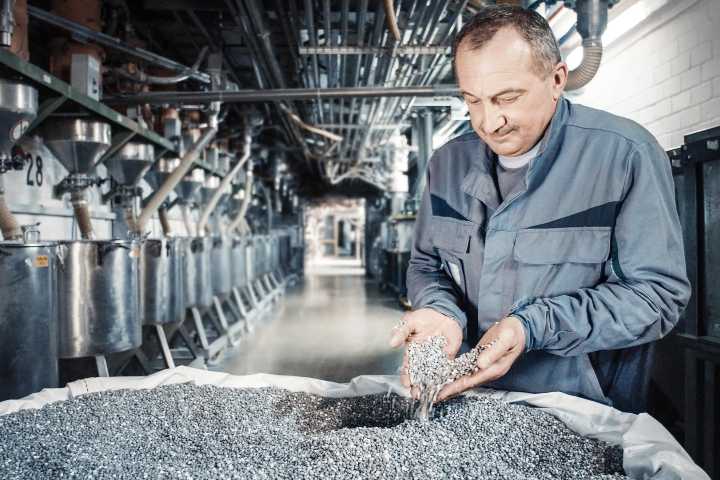
PVC is produced from chlorine derived from salt and carbon sources, which can increasingly include bio-attributed and bio-circular feedstocks. Additives give PVC products the performance required for specific applications, including durability, flexibility, stability, colour and fire performance.
The European PVC value chain works to improve resource efficiency, reduce environmental impacts and support the safe and sustainable use of additives.
02. Applications
PVC is used in long-life and essential applications across construction, infrastructure, healthcare, clean energy, transport and everyday life. Windows, pipes, cables, flooring, roofing membranes and medical devices are designed to deliver reliable performance over many years.
Long service life, low maintenance and recyclability help make PVC suitable for circular material use.
03. End of Life and Circularity
At end of use, PVC products can be collected, sorted and recycled. Mechanical recycling remains the preferred and most widely used option, while innovation in sorting, separation and advanced recycling supports more complex waste streams.
Recycled PVC helps Europe reduce reliance on virgin resources, strengthen circular material markets and keep value within the European economy.
Why PVC Works in a Circular Economy
Long Service Life
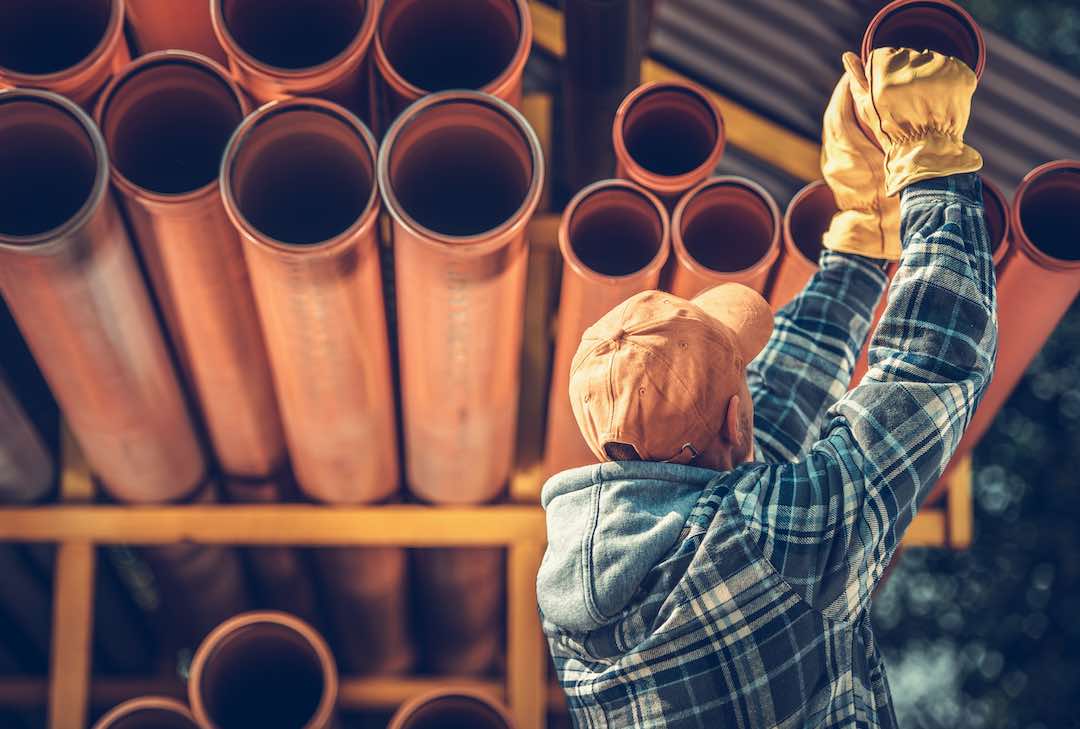
PVC products are used in durable applications where long service life and low maintenance help reduce replacement needs and resource use.
Established European Systems
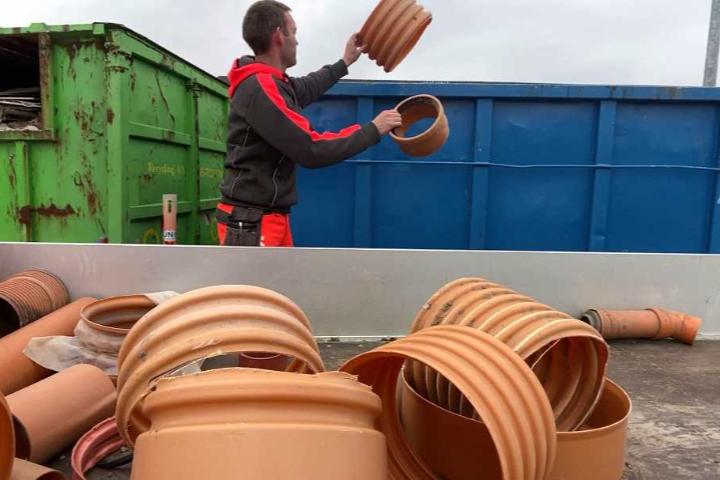
PVC recycling in Europe is supported by collection schemes, specialised recyclers, traceability systems and value-chain cooperation.
Recyclable and Recycled
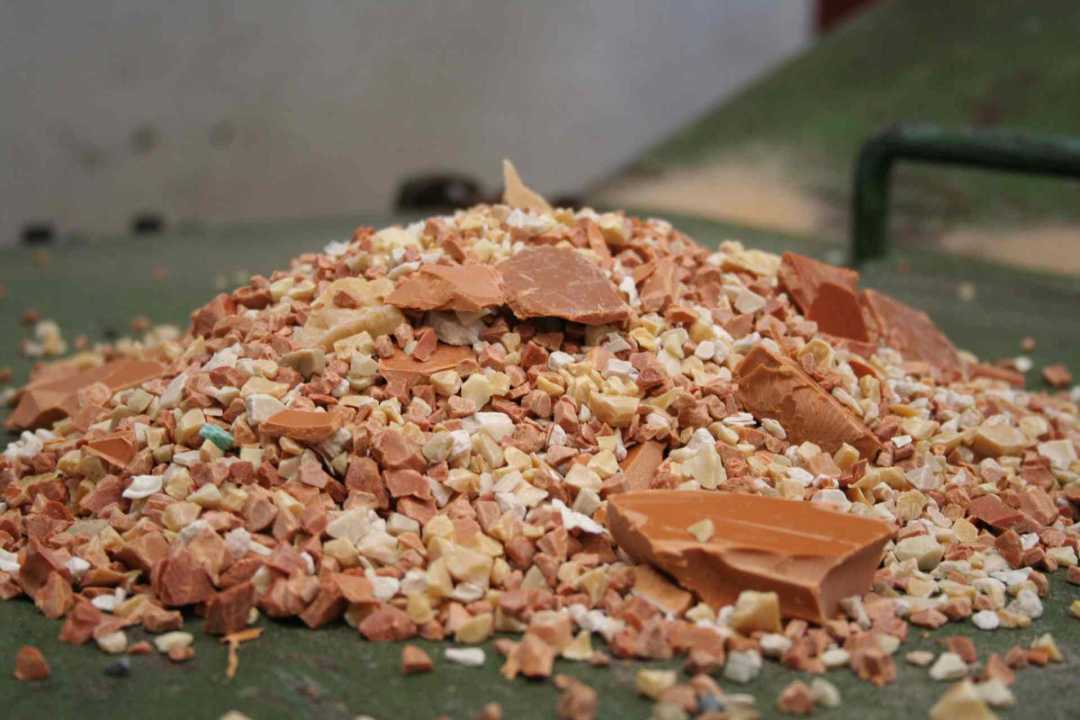
PVC can be mechanically recycled and used again in new products, retaining technical properties across multiple life cycles.
Innovation for Complex Streams
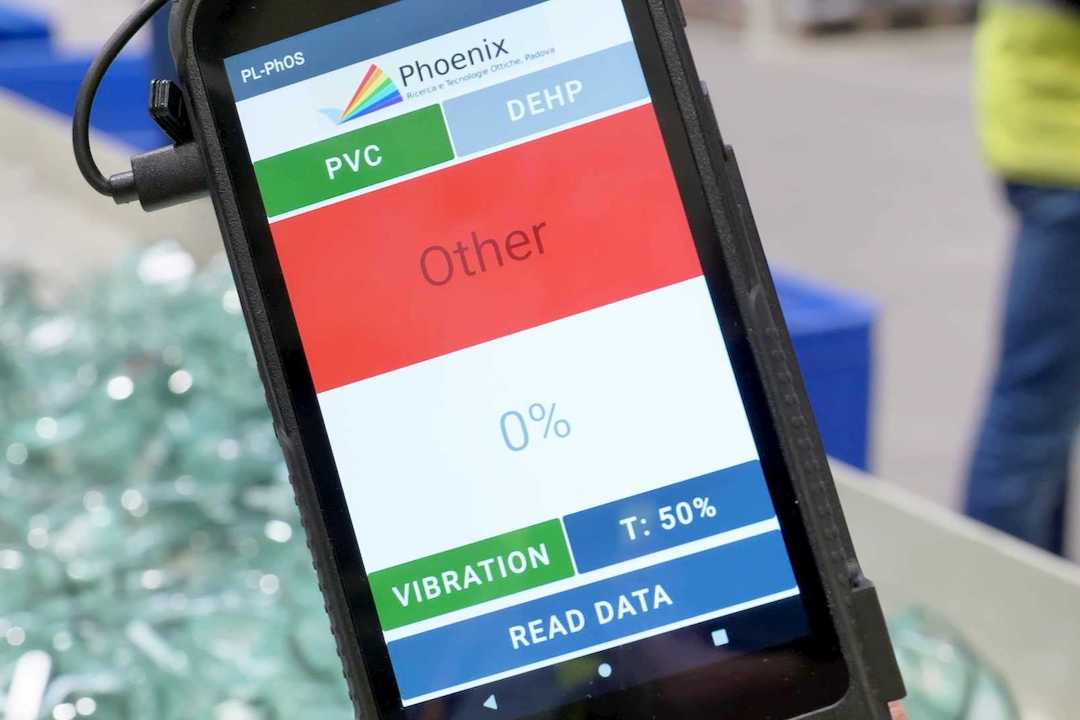
Where waste streams are more complex, innovation in sorting, separation and advanced recycling are helping to increase circularity.
Circularity Achievements
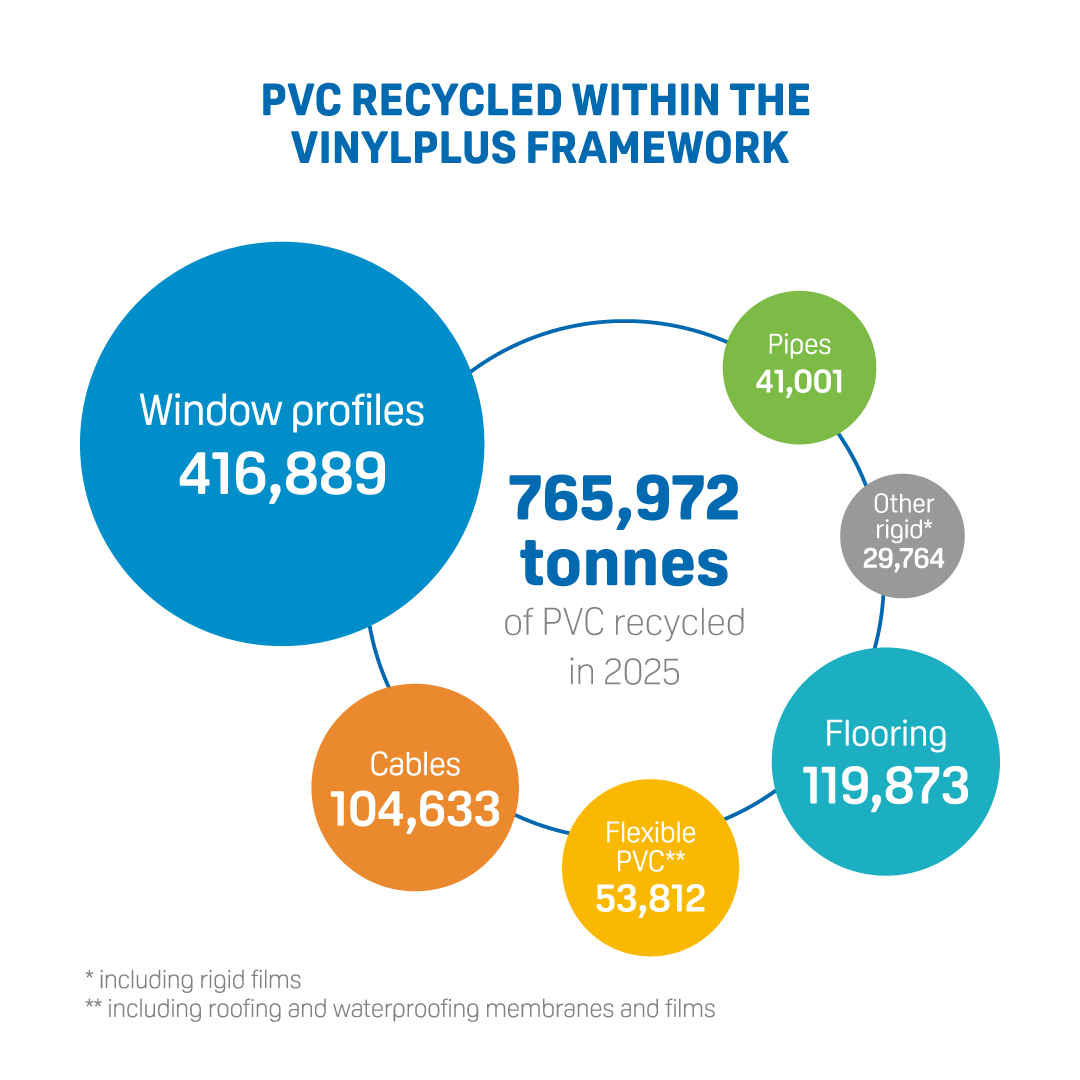
Within the VinylPlus framework, 765,972 tonnes of PVC waste were recycled in 2025, a 5.7% increase compared with 2024.
Since 2000, 10.3 million tonnes of PVC have been recycled, saving 20.6 million tonnes of CO₂.
Circularity in Key Appliations
Windows and Profiles
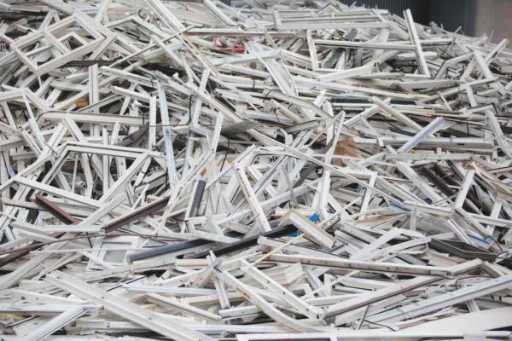
PVC window profiles can be collected, recycled and used again in new profiles and other products.
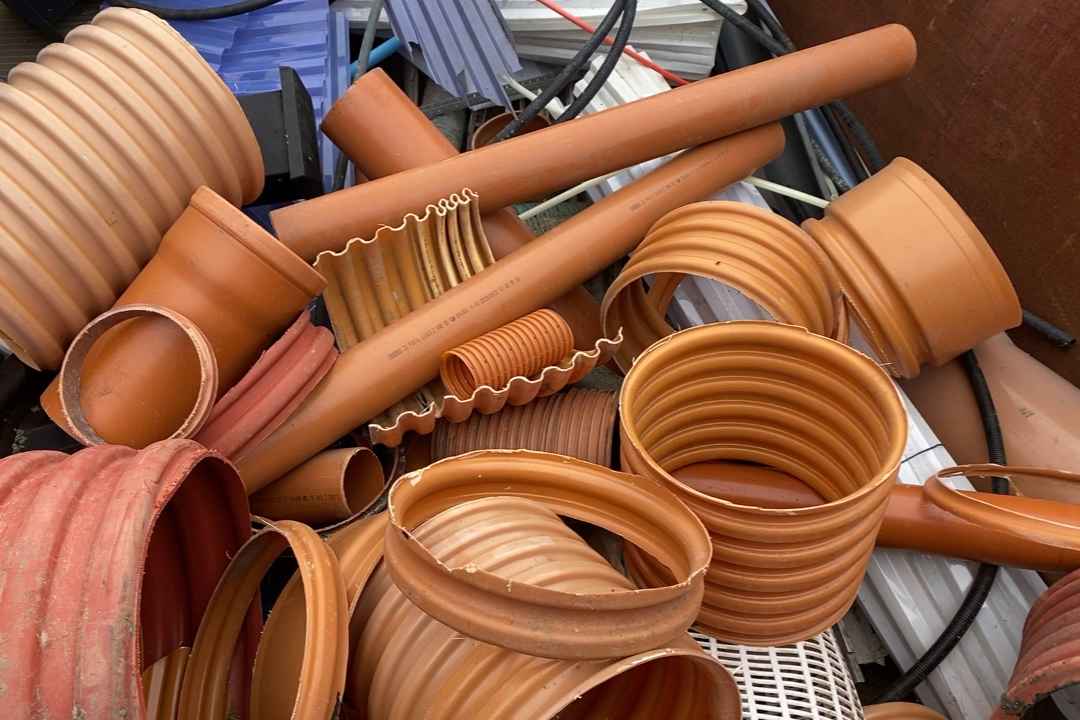
Pipes and Fittings
PVC pipes are long-life products and can incorporate recycled PVC in suitable applications.
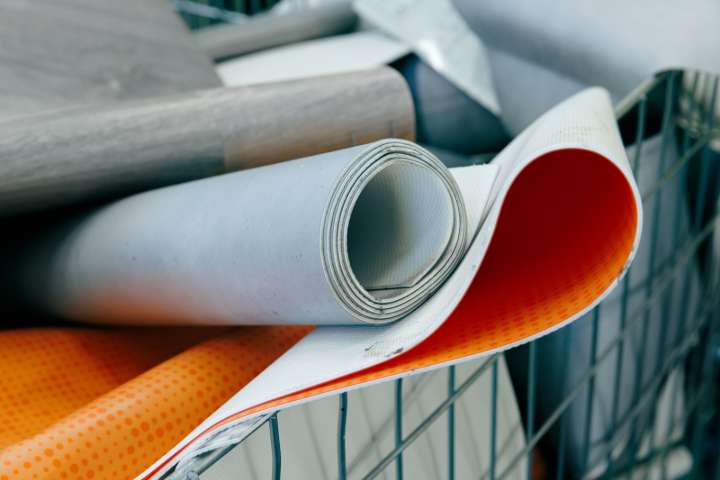
Flooring
PVC flooring combines durability, hygiene and recyclability, with projects supporting improved collection and sorting.
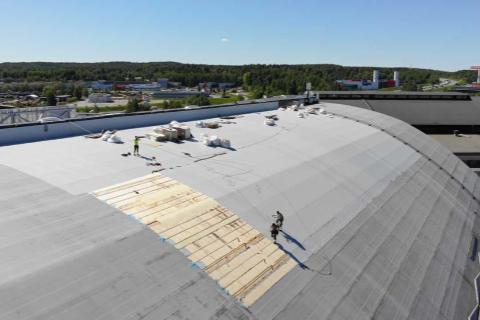
Roofing Membranes and Films
Durable flexible PVC applications can be collected and recycled where systems are in place.
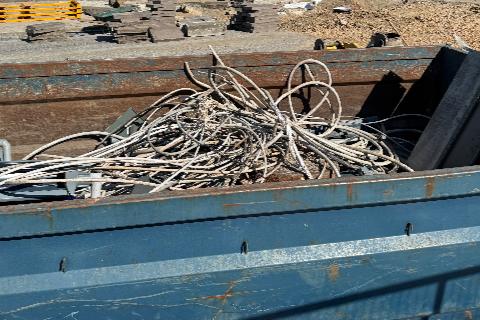
Cables
PVC cable waste is an important recycling stream, with mechanical and complementary recycling routes being developed.
Healthcare and Packaging
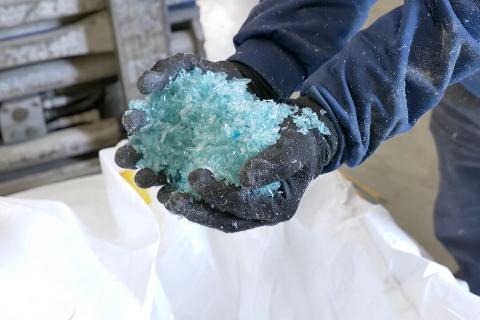
Selected healthcare and pharmaceutical packaging applications are being explored through dedicated collection and recycling projects.
Innovation Supports the Circular Lifecycle
Innovation helps make the circular PVC lifecycle more effective — from product design and sorting technologies to complementary recycling routes for complex waste streams.
Design for Recycling
Explore how product design can support future collection, sorting and recycling.
Detection and Sorting Technologies
Learn how technologies can identify PVC and support safe recycling.
Advanced Recycling
See how complementary technologies can support recycling of difficult-to-recycle PVC waste.
Additive Sustainability
Learn how additives support safe, durable and circular PVC products.
Traceability and Verified Circularity
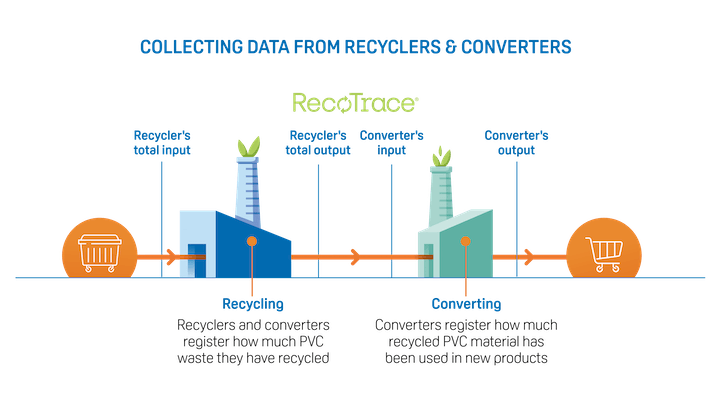
Circularity depends on reliable data, traceability and trust. VinylPlus supports verified reporting through Recovinyl and RecoTrace, while VinylPlus sustainability certifications help demonstrate responsible sourcing, transparency and circularity across the value chain.